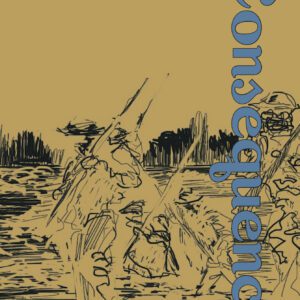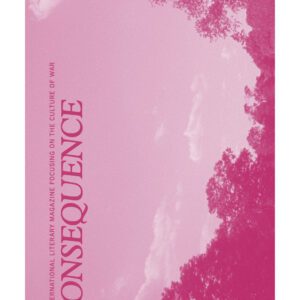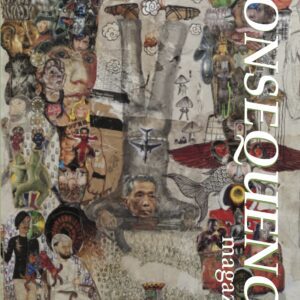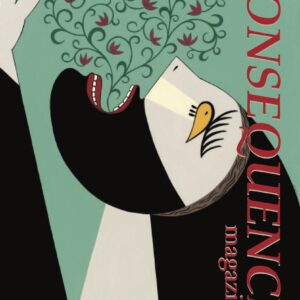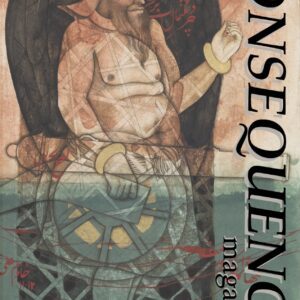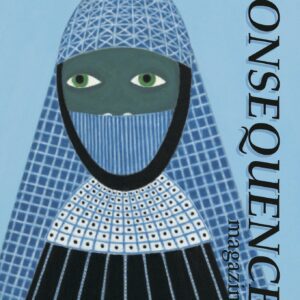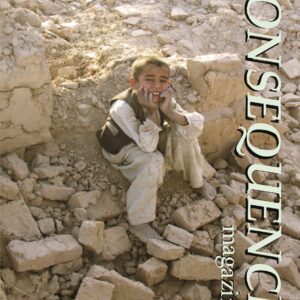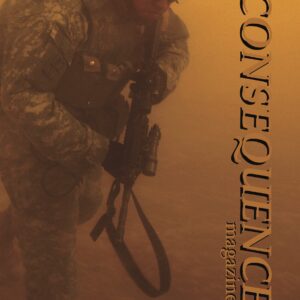
Volume 17.2
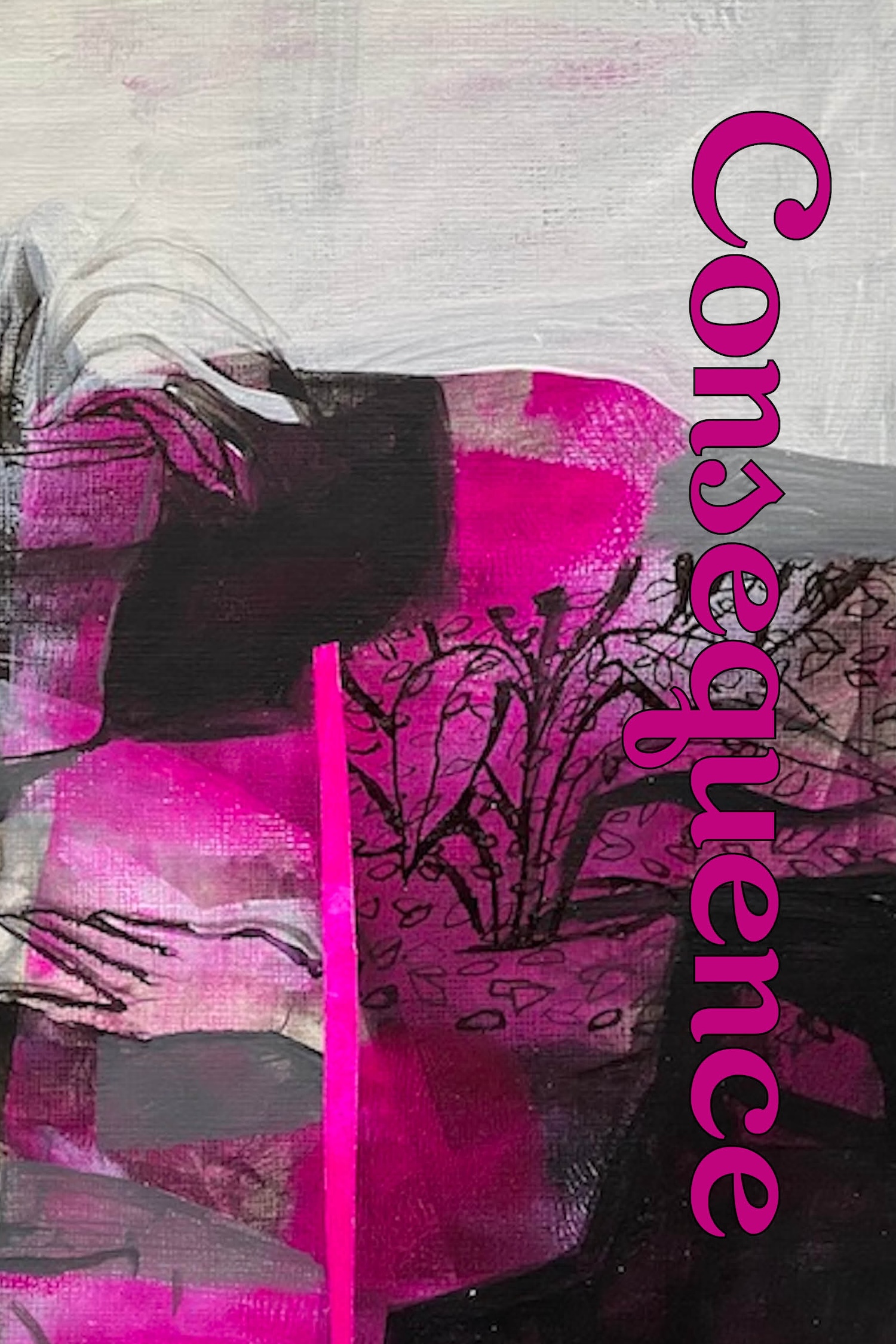
$15.00
Letter from the Editors
Dear Readers,
As many writers are told, having a child play an integral role in a narrative or poem can be challenging. Their finite worldview, inability to grasp complexities, and narrow range of expressions can handicap the ideas and experiences one may want to articulate.
However, as we read the pieces in this volume, many of which have children in them, we were reminded that this potential handicap can also be a powerful tool. Unlike adults, children (or child-like characters) are often free from facades and other traits that can convolute meaning, so can offer us a less encumbered, more direct view of an idea or experience. This view can be a formidable artistic tool when dealing with complex subjects, which would certainly include the nuanced and emotionally-charged matters of war and its consequences.
In Anne Georg’s short story “A Boy and His Rooster,” we watch as a diffident teenage boy is seduced by the idea of fighting in la Revolución, amplifying the reality of how lethal romanticizing being a soldier can be. In “Talisman,” a poem by Michele Lent Hirsch, we’re shown the seemingly odd, lifelong behavior of a girl coping with her family’s experiences of war, which spotlights brilliantly the pervasive reach of conflict and how we instinctively try to protect ourselves from its harms. And then there’s Philip Metres’s essay “The Fight,” with the author reflecting on how, as he was growing up, his perception of his Vietnam Veteran father was wrongheaded, making vibrant the idea that the personal
effects of war can be confusing and misleading.
These and many other pieces in this volume illustrate how children can serve as a conceptual foil, helping us to more fully
recognize the subtle and varied consequence of war and geopolitical violence. A potent tool in times like these.
Sincerely,
The Editors
Related products
-

Volume 17.1
$10.00 -
Volume 16.2
$5.00 -
Volume 16.1
$5.00 -
Volume 15.2
$5.00 -
Volume 15.1
$5.00 -
Volume 14.2
$5.00 -
Volume 14.1
$5.00 -
Volume 13
$5.00 -
Volume 12
$5.00 -
Volume 11
$5.00 -
Volume 10
$5.00 -
Volume 9
$5.00 -
Volume 8
$5.00 -
Volume 7
$5.00 -
Volume 6
$5.00 -
Volume 5
$5.00 -
Volume 4
$5.00 -
Volume 3
$5.00 -
Volume 2
$5.00 -
Volume 1
$5.00