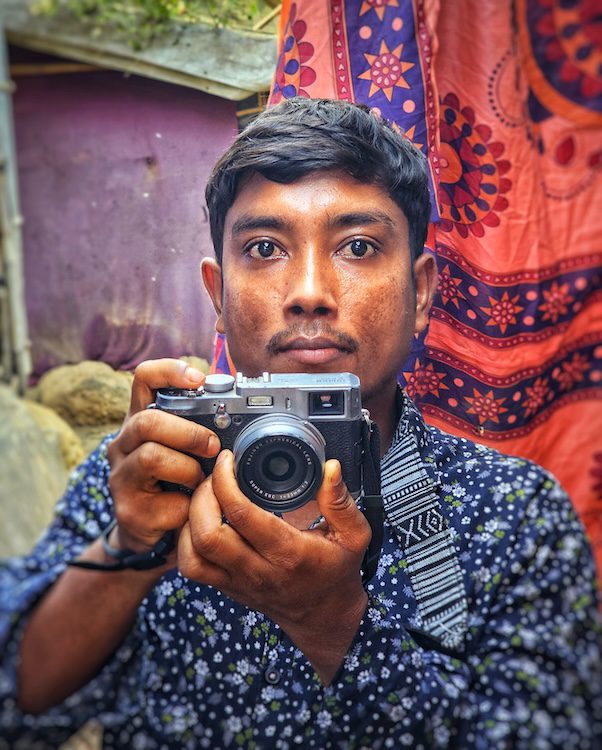
Md Jamal is a photographer born in 1991 in the Cox’s Bazar refugee camp in Bangladesh. He still lives there with his extended family.
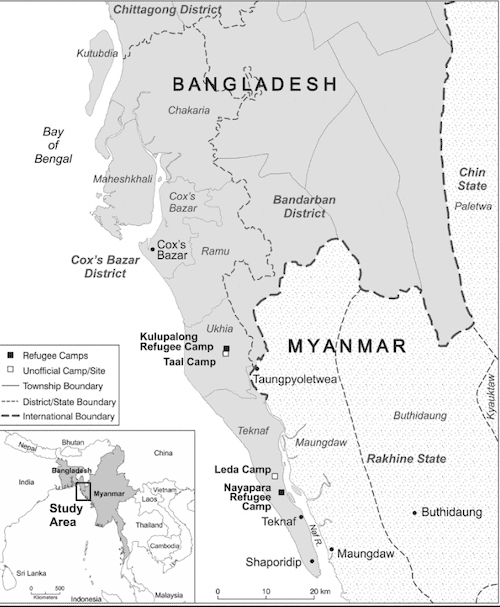
He is Rohingya, an ethnolinguistic and religious minority (Muslim) currently belonging to no state. Rohingyas have been residents of Myanmar for the last two centuries, but due to severe persecution for at least the last half century, a vast number of them live in Bangladesh (and other neighboring countries) as both refugees and illegal migrants. Their flight began in the late ’70s as a result of the Burmese junta’s Operation King Dragon with mass migration continuing in the early ’90s when the junta began punishing opposing political groups. The lauded compendium The Human Right to Citizenship details an exodus of about 300,000 in ’78 and another 250,000 in ’91-’92.
Rohingyas who moved into Bangladesh were officially repatriated to Myanmar under the supervision of the United Nations, but many did not move back as the persecution remained unchanged. Throughout 2016 and 2017, for example, security forces conducted armed attacks, massive scale violence, and serious human rights violations against Rohingyas in Northern Rakhine State leading the US Department of State to classify the violence as genocide and detail the atrocities.
Currently, more than one million—including Md and his extended family— have found relative safety in the Cox Bazar’s region, which is home to the world’s largest refugee camp.
Md and I began corresponding in April 2026. Unfortunately, given the spartan conditions of his daily life, there was no opportunity to speak with him directly over a Zoom call. Below, in his own words, is a description of what he attempts to accomplish with his photography.
—Mary Behrens, Visual Arts Editor
❊
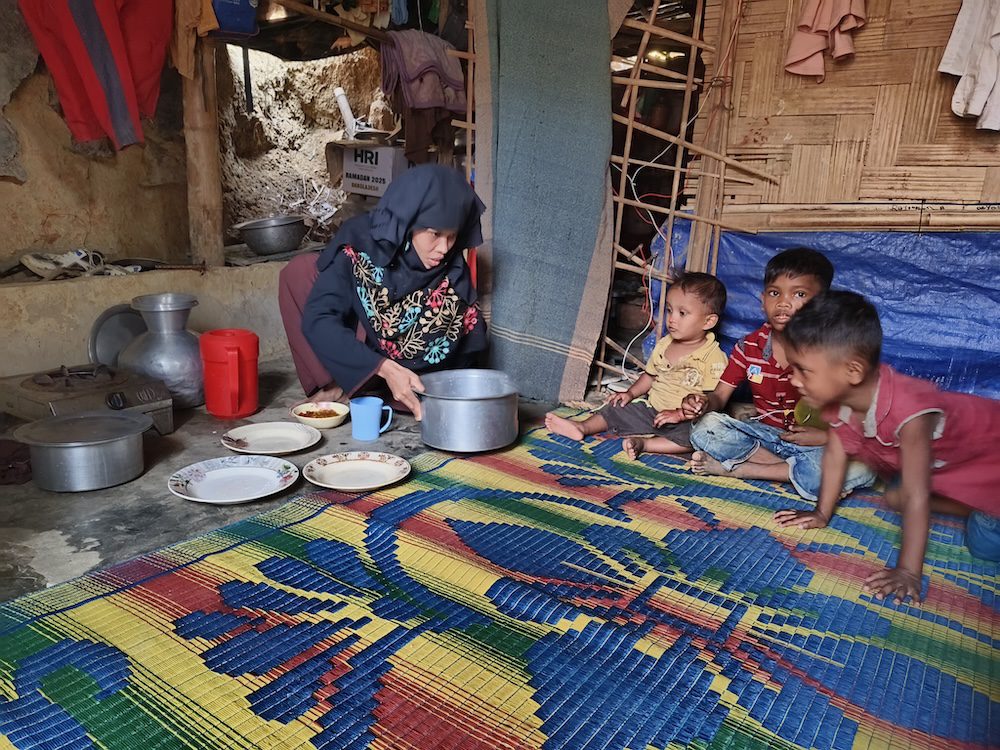
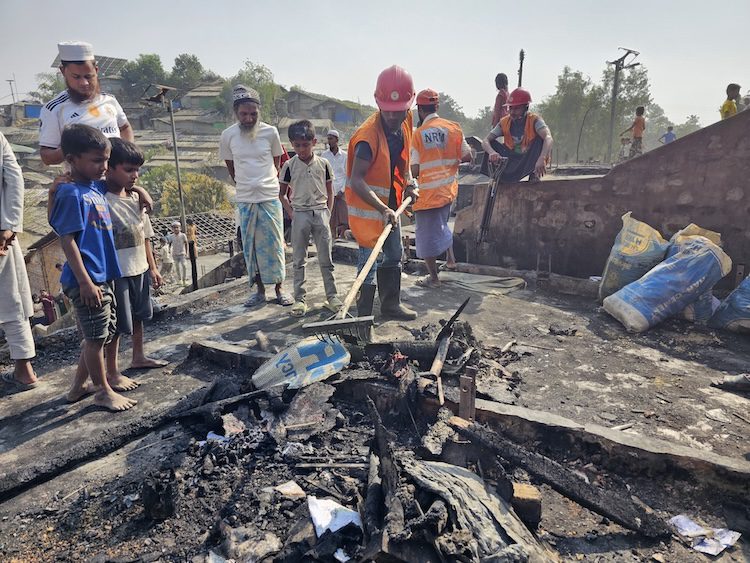
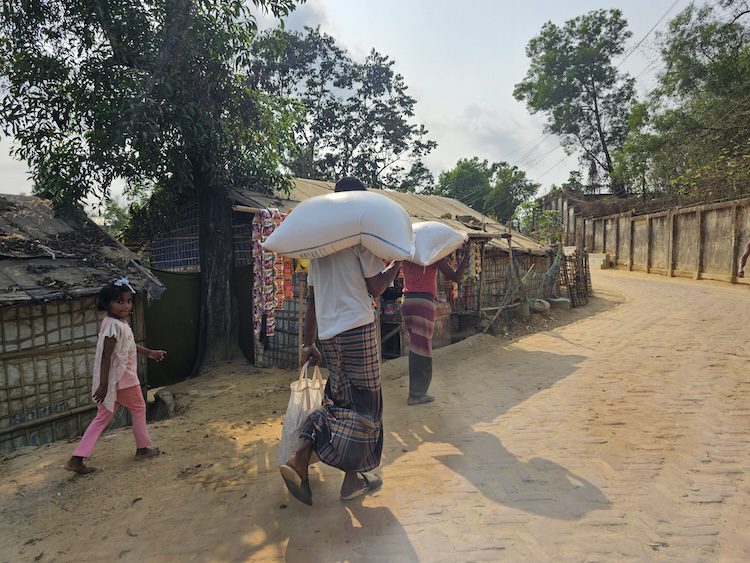
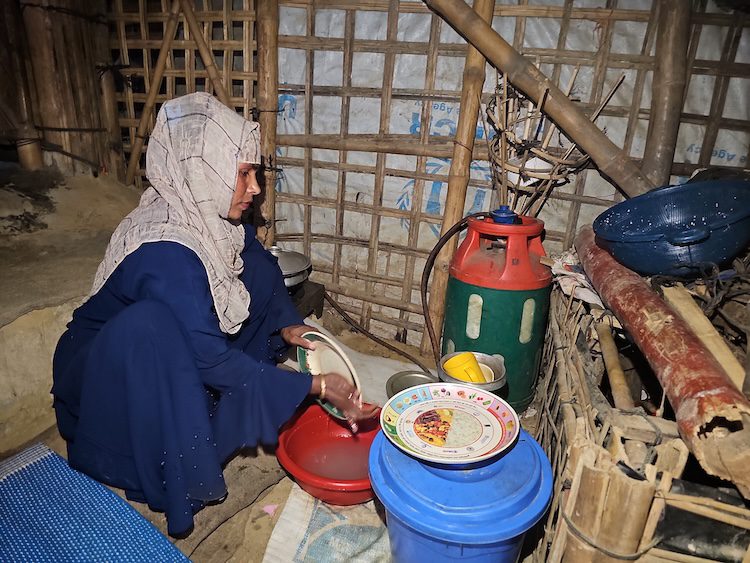
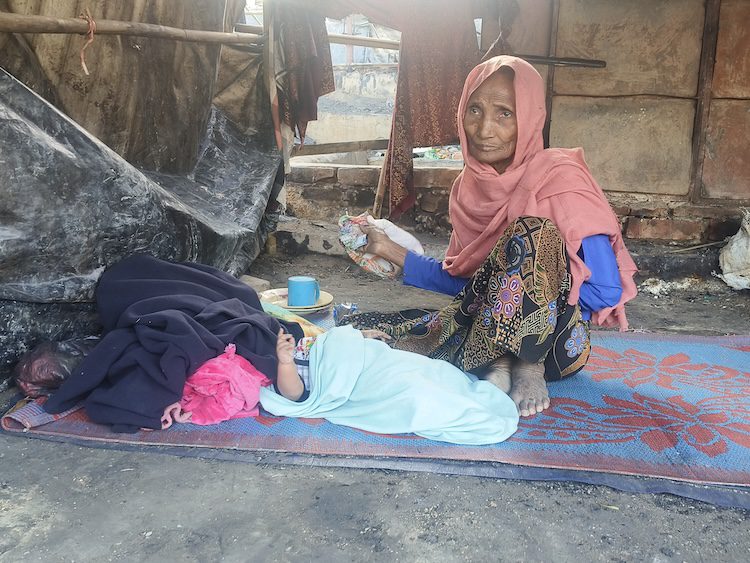
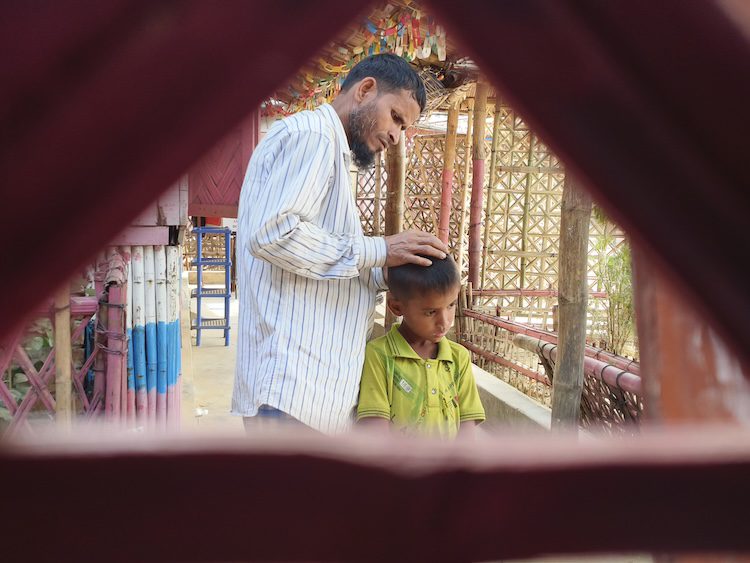
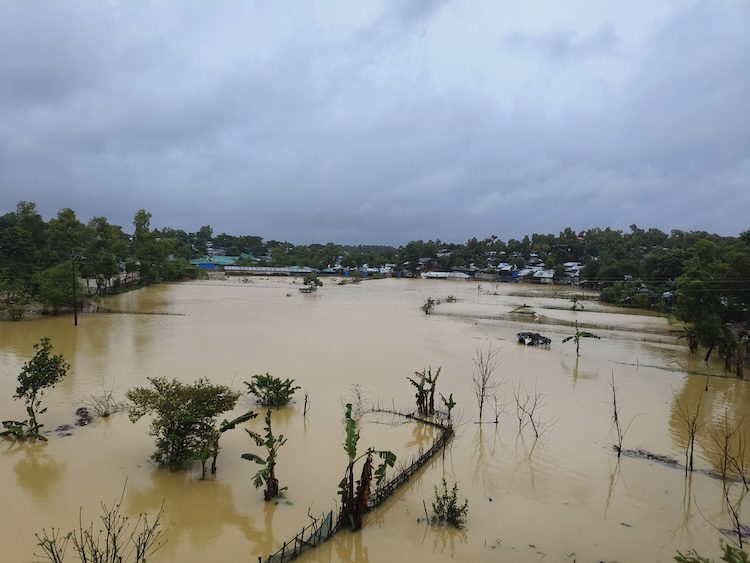
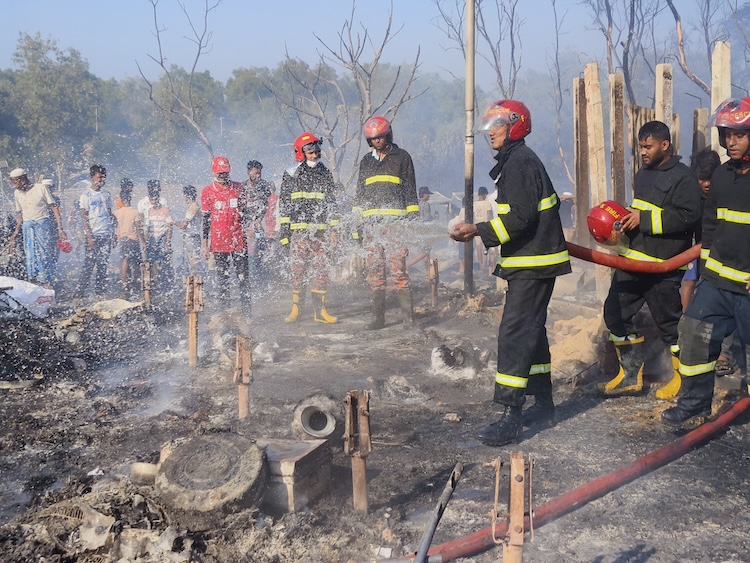
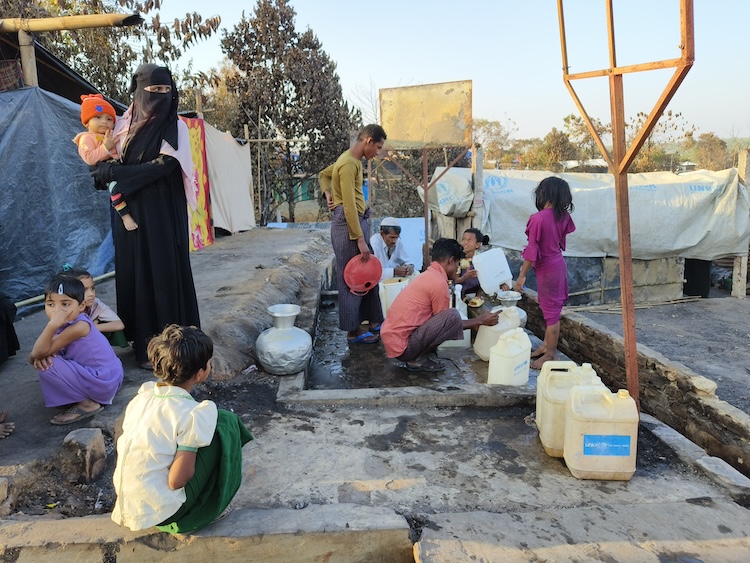
I am Md Jamal, also known professionally as Md. Jamal Photographer. I currently live within the Rohingya refugee camps in Bangladesh. My mission is to document the Rohingya lifestyle, our daily struggles, and the deeply personal stories that often go unheard. I began documenting life here to ensure our history and current reality are preserved. Every person featured in my work is Rohingya. Like myself, everyone here fled the violence in Myanmar to seek safety and survival. Currently, the photos do not have formal titles, as I prefer to let the raw emotion and the stories behind the faces speak for themselves. Through my lens, I strive to bring the untold truth of our community to the global stage.
—Md Jamal